AI-Generated Stories: Exploring the Future of Creative Writing and How It Compares to Human Storytelling
AI in Creative Storytelling – Can Machines Master the Art?
Introduction: AI's Entry into the Creative World
Creative writing has captivated audiences for centuries. But a new contender has entered the literary space—AI in creative storytelling. Once limited to data and automation, artificial intelligence is now crafting fiction. Can machines capture emotional depth or mimic the spark of human creativity?
Let’s explore this evolving landscape and ask: Can AI-written stories hold their own against those penned by humans?
The Rise of AI in Creative Storytelling
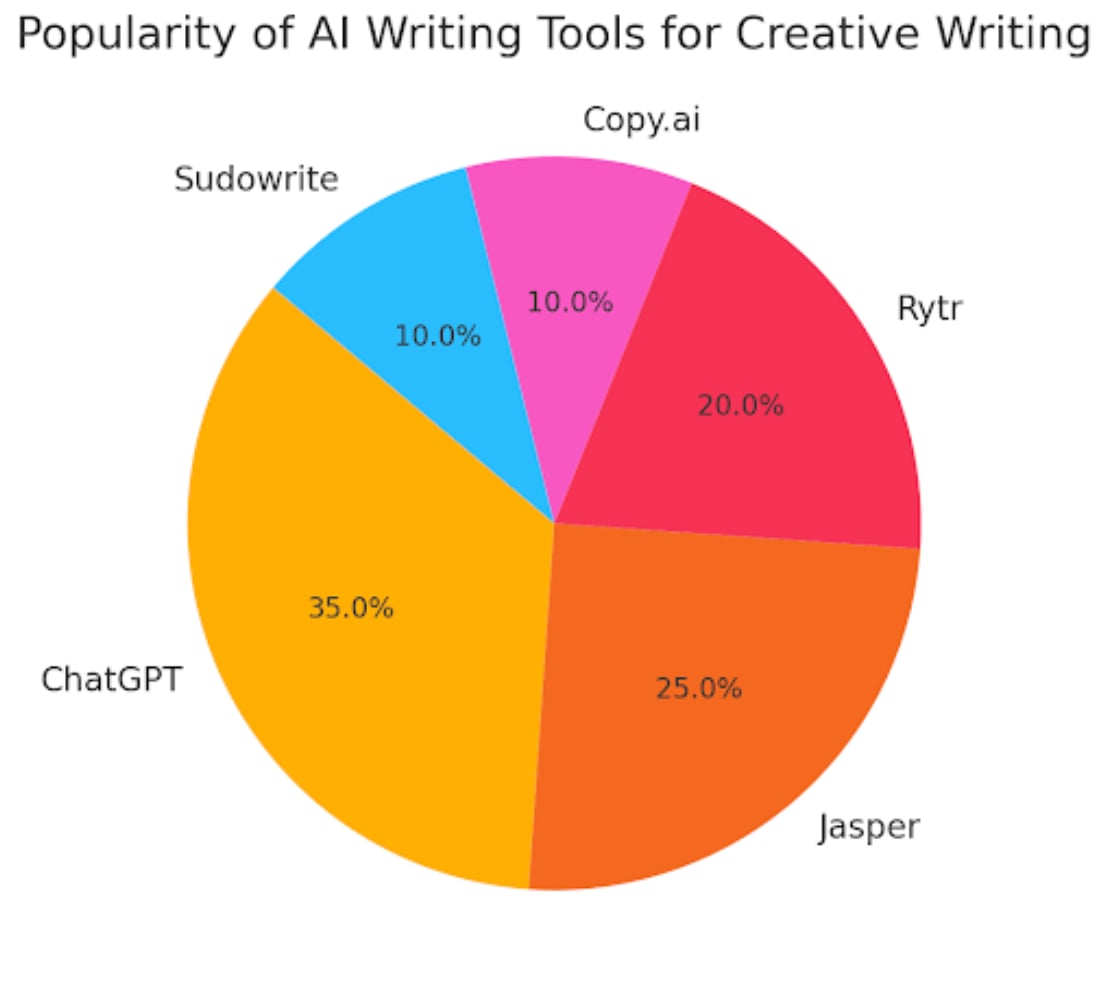
AI tools like ChatGPT, Jasper, and Rytr now generate full stories—including characters, dialogue, and twists—within minutes. These tools don’t just output filler content; they craft coherent narratives across genres. Writers increasingly use AI to brainstorm, co-write, and refine ideas.
How AI Story Generators Actually Work
AI models are trained on large datasets, learning patterns in structure, tone, and vocabulary. When prompted, they predict what comes next based on what they’ve learned. It’s not magic—it’s advanced pattern recognition and natural language generation.
Comparing AI and Human Storytelling
Can machines truly match human imagination?
Creativity, Depth, and Emotional Connection
1. Creativity: AI mimics patterns; humans write from experience.
2. Depth: AI struggles with subtext and nuanced emotion.
3. Emotion: AI simulates empathy, but can’t feel it.
AI vs. Human Storytelling: A Feature Comparison
Aspect
AI Storytelling
Human Storytelling
Creativity
Pattern Based
Experience-driven
Complexity
Often surface-level
Deep and layered
Emotion
Simulated
Genuine
Speed
Fast (seconds)
Slower
Consistency
High
Variable
Examples of AI Stories That Impressed Readers
Experiments That Blur the Line Between Human and AI
Notable experiments show readers often can’t tell the difference between human and AI-generated stories. Mark Lawrence’s study found that readers misidentified AI stories as human-written—proving AI can be compelling under the right circumstances.
Challenges and Limitations of AI Storytelling
Ethical and Legal Concerns
Who owns an AI-generated story? Is it original, or borrowed from training data? These questions will shape future copyright and authorship laws.
Technological Constraints and Emotional Gaps
AI lacks understanding of context, irony, and abstract themes. As a result, it often fails to produce emotionally resonant or philosophically rich content.
Future Outlook: AI's Role in Creative Writing
Co-Creation Models: AI as a Writing Assistant
AI is best used as a collaborator. It speeds up ideation and drafting, freeing authors to focus on emotion, subtext, and style.
Growth of NLP and Story Quality
As NLP improves, AI storytelling will gain nuance. Still, the “human touch” remains hard to replicate.
Can AI Stories Truly Rival Human Creativity?
AI in creative storytelling is here to stay. It excels in short, light narratives and fast idea generation. But for emotionally rich, layered stories—humans still lead.
Writers can embrace AI not as competition, but as a tool that enhances creativity, expands possibilities, and co-pilots the future of storytelling.