The Future of AI in Storytelling: How Technology is Shaping Creative Writing and Narrative Arts
Introduction: The Rise of AI in Creative Writing
Imagine a world where technology and creativity merge, giving birth to stories that go beyond traditional limits. AI in creative writing is no longer just a futuristic concept—it’s a reality reshaping how stories are imagined, written, and shared. From brainstorming plot twists to generating authentic character voices, AI-powered tools are helping authors create richer, more engaging narratives.
This evolution is more than a passing trend—it’s a shift that’s transforming storytelling across books, films, games, and interactive media. But how exactly is AI changing the creative writing process, and what does this mean for the future of literature?
Let’s explore the powerful ways AI is influencing storytelling, the tools driving this revolution, and the ethical questions we must address along the way.
The Dawn of AI in Storytelling
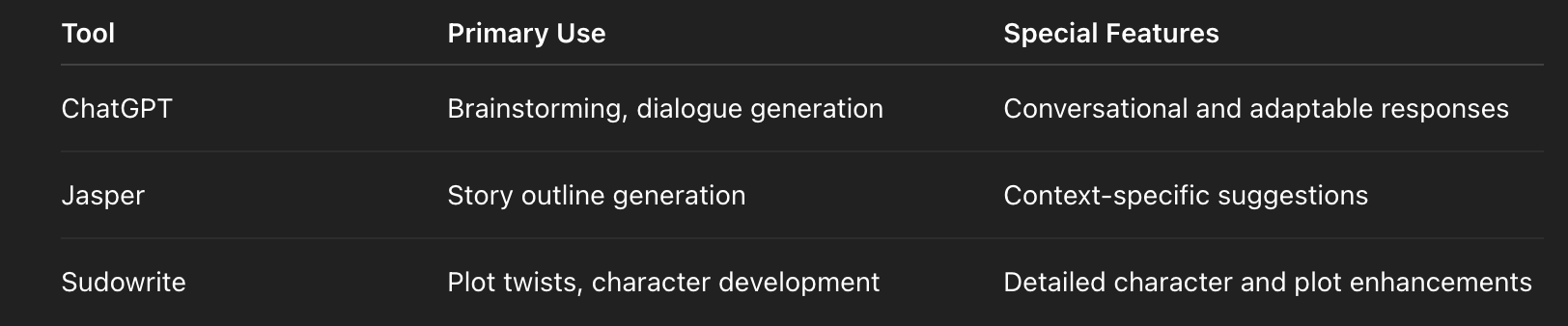
In recent years, AI has stepped into creative industries such as art, music, and now literature. AI-powered writing tools like ChatGPT, Jasper, and Sudowrite are helping authors brainstorm ideas, generate dialogue, and refine their style.
Story Generation and Plot Assistance
AI-powered tools allow writers to overcome creative blocks and quickly develop new concepts. Sudowrite is renowned for suggesting plot twists, while Jasper can create chapter-by-chapter outlines from just a short prompt.
Language and Style Adaptation
AI tools now mimic historical and cultural writing styles. For example, AI Shakespeare can create plays in an authentic Elizabethan style, opening creative doors that once required years of study.
Tools like Grammarly, ProWritingAid, and Hemingway Editor refine clarity, pacing, and tone.
Interactive Storytelling with AI
Real-Time Adaptation in Games
AI-powered platforms like Inklewriter and Twine create branching narratives that adapt to player decisions.
Ethical Considerations in AI Storytelling
Real-Time Adaptation in Games
As AI-generated content grows, questions about rights and fair compensation emerge.
Future Prospects for AI in Creative Writing
Accessibility and Inclusivity
AI can break language barriers, making stories available to diverse audiences.
Conclusion – A Collaborative Future
The future of AI in creative writing lies in partnership, where human imagination and AI innovation work hand in hand to produce richer, more inclusive storytelling experiences.