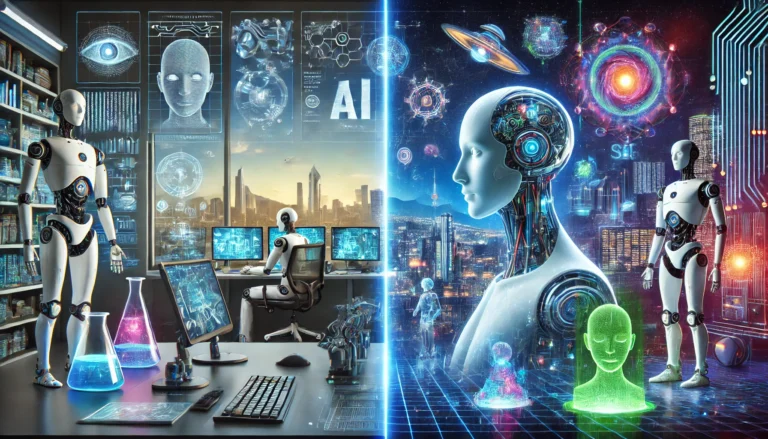
The Future of AI in Storytelling: How Technology is Shaping Creative Writing and Narrative Arts
The Rise of AI in Creative Writing
Technology and creativity are no longer separate forces. Together, they’re reshaping how we imagine, write, and share stories. AI in creative writing is helping authors brainstorm fresh ideas, refine their language, create lifelike character voices, and build immersive, interactive narratives.
This shift isn’t just a passing trend—it’s a global transformation in the way stories are created and experienced. Writers now have powerful AI partners that can suggest plot twists, adapt writing style, and even generate dialogue that feels authentic.
In this article, we’ll explore how AI is revolutionizing storytelling, from plot generation to voice narration, while addressing ethical considerations that ensure a balance between technology and human creativity.
The Dawn of AI in Storytelling
Over the last decade, AI has made its mark on creative fields such as art, music, and literature. Tools like ChatGPT, Jasper, and Sudowrite allow authors to generate plotlines, build dialogue, and polish their prose with ease.
Story Generation and Plot Assistance
AI tools are breaking creative barriers by offering instant inspiration. For example, Sudowrite can suggest character arcs and unexpected plot twists, while Jasper can deliver complete chapter outlines from a single idea.
Example: A mystery author could prompt Jasper with a short description, and the AI would return a structured plot with chapter summaries, setting ideas, and compelling suspects.
Language and Style Adaptation
AI can mimic diverse writing styles, from Shakespearean drama to contemporary thrillers. This allows authors to experiment with genres and voices that might otherwise require years of practice to master.